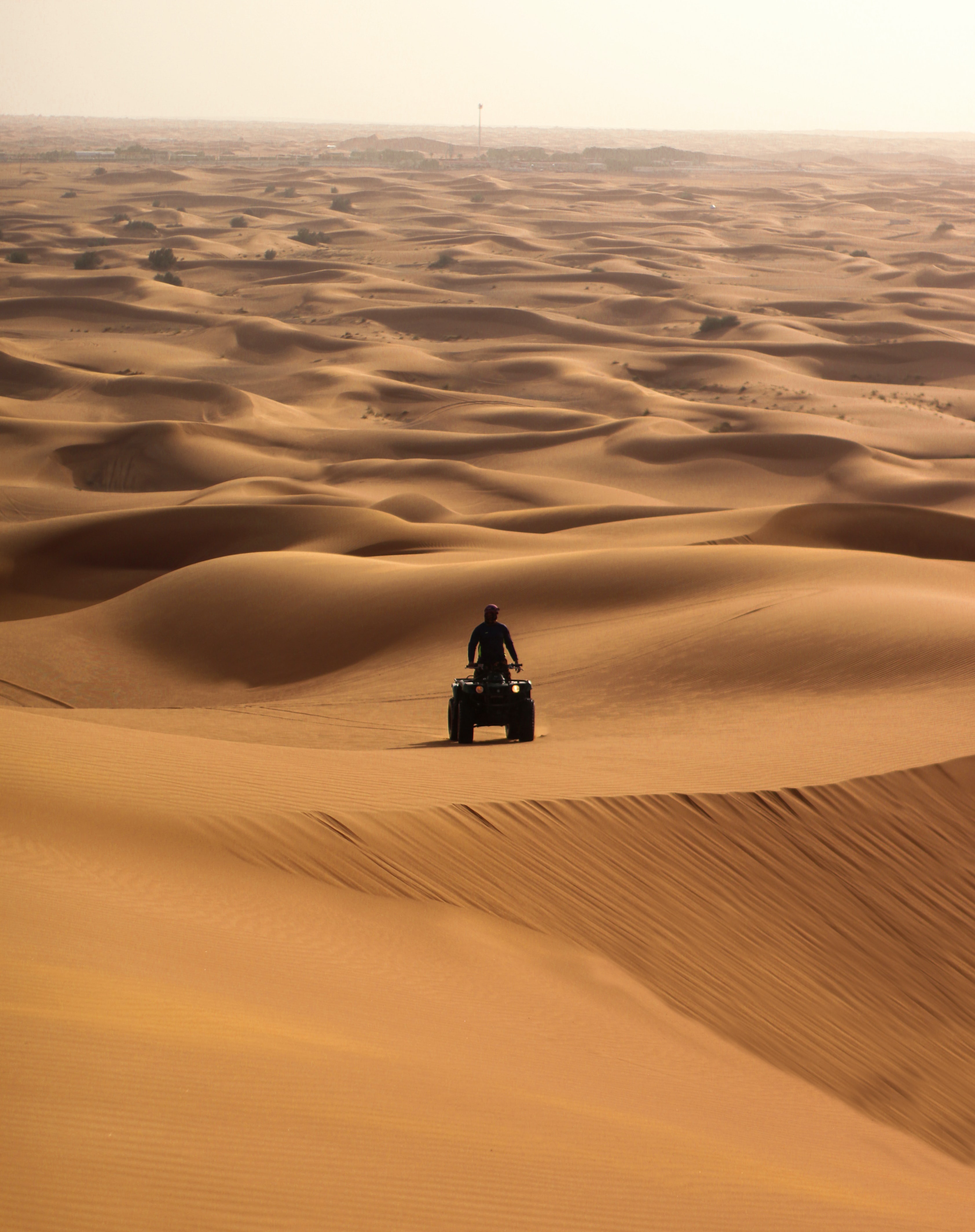
5-Day Slow Sahara
Two nights in the dunes. More time everywhere. For travelers who want to feel the Sahara, not just photograph it.
View RouteHonest driving note: Marrakech to Merzouga is approximately 560 km each way. The 3-day version requires very long driving days — typically 7–9 hours of road time per day. This is possible and many travelers do it. But we will always tell you this upfront. If you have flexibility, 4 days is meaningfully better. Read more in our guide →
This is the most requested Sahara route from Marrakech — and for good reason. The road south passes through some of Morocco's most celebrated landscape: the UNESCO ksar of Ait Ben Haddou, the rose-red walls of the Dades Gorge, the towering vertical walls of Todra Canyon, and finally the vast golden dunes of Erg Chebbi.
We offer it in 3 or 4 days. Three days is honest but demanding — it works for travelers with genuine time constraints. Four days is our recommendation: more time at each stop, less time staring at the road, and a better experience in the dunes themselves.
All journeys are private. Just your group, your vehicle, your pace.
If you would like more time in the desert and less pressure on the road, consider the 5-Day Slow Sahara Experience instead.
This is our recommended version of this route. If you need the 3-day version, we will design it for you with driving times clearly included — ask us at enquiry.
Day 1
Driving time: approximately 5–6 hours total (with stops).
Depart Marrakech in the morning. Cross the Tizi n'Tichka pass through the High Atlas — one of the most scenic mountain roads in Morocco, reaching over 2,260m. Stop at the ksar of Ait Ben Haddou (UNESCO World Heritage Site) — allow at least 90 minutes to walk through properly. Continue to Ouarzazate briefly, then east along the road of the kasbahs to the Dades Valley. Overnight in the Dades area.
Day 2
Driving time: approximately 5–6 hours total.
Morning in the Dades Gorge — the dramatic narrow canyon with its rose-red walls. Drive east through the Drâa palmeries to the Todra Gorge, where 300-metre limestone walls frame a narrow river path. Proper stop time here (not just a roadside glance). Continue toward Rissani — the ancient heart of the Tafilalet region, birthplace of the Alaoui dynasty. Arrive Merzouga in late afternoon. Camel ride to camp at sunset.
Day 3
Desert morning at your own pace.
Wake before sunrise in the dunes — one of the reasons people travel this far. The dunes change completely in the early light. Explore the Merzouga area: the Gnawa music town of Khamlia, the small lake at Dayet Srji (seasonal), the edge villages of the palmery. Depart after lunch for the return journey west through Rissani. Overnight in Todra or Dades area.
Day 4
Driving time: approximately 5–6 hours with stops.
Return via the High Atlas. The route can vary from the outbound journey — Ait Ben Haddou again if you want more time there, or an alternative pass through the mountains. Arrive Marrakech by evening. Exact return timing confirmed before departure based on your Marrakech plans.
3-Day Version: Days 1 and 2 are compressed — typically Marrakech–Dades (Day 1), Dades–Merzouga (Day 2), Merzouga–Marrakech in one very long day (Day 3, approximately 8–9 hours driving). We will plan it honestly if this is what you need — but we won't hide the driving time in the brochure.
Simple clean guesthouses along the route, standard Sahara camp with shared bathroom. The essentials, without apology.
Comfortable riads with en-suite rooms at each stop. Comfort camp in Merzouga with private bathroom in tent. A genuine step up.
Premium riads selected personally, best available camp in the dunes area, more time built into each day.
For 2 travelers. Fast route. All essentials included. Clear driving time warning provided at booking.
For 2 travelers. Our recommended version. En-suite riads, comfort camp, better pacing.
Final pricing confirmed after we understand your travel dates, group size, and accommodation preferences. Groups of 4+ travelers reduce the per-person cost significantly. See full pricing guide →
It depends on what "enough" means to you. Three days is possible — people do it. But it involves driving 7–9 hours per day with limited stop time. If you want to actually experience the places along the route — Ait Ben Haddou, the Dades Gorge, Todra Canyon — 4 days is more honest. We'll always tell you this before you book.
Yes — this becomes part of the Fes to Marrakech via Sahara circuit. If you fly into Marrakech and want to end in Fes (or vice versa), we design a one-way route. Ask us at enquiry.
Typically an early departure — around 7:00–8:00 AM from your accommodation in Marrakech. This is necessary to make the most of the driving day and reach the Dades area at a reasonable evening hour.
The main roads are generally good — well-maintained tarmac for most of the route. The Tizi n'Tichka pass involves mountain road sections that require an experienced driver. Our drivers know these roads well. Some sections near the dunes are sandy tracks.
March–May and September–November are the best months — warm but not extreme. December–February is cold at night in the Sahara but clear and beautiful. July–August is genuinely very hot (35–42°C in the desert). We'll be honest about seasonal conditions when you enquire.
3 or 4 days, standard or comfort — we'll help you understand the honest difference before you decide.
Two nights in the dunes. More time everywhere. For travelers who want to feel the Sahara, not just photograph it.
View Route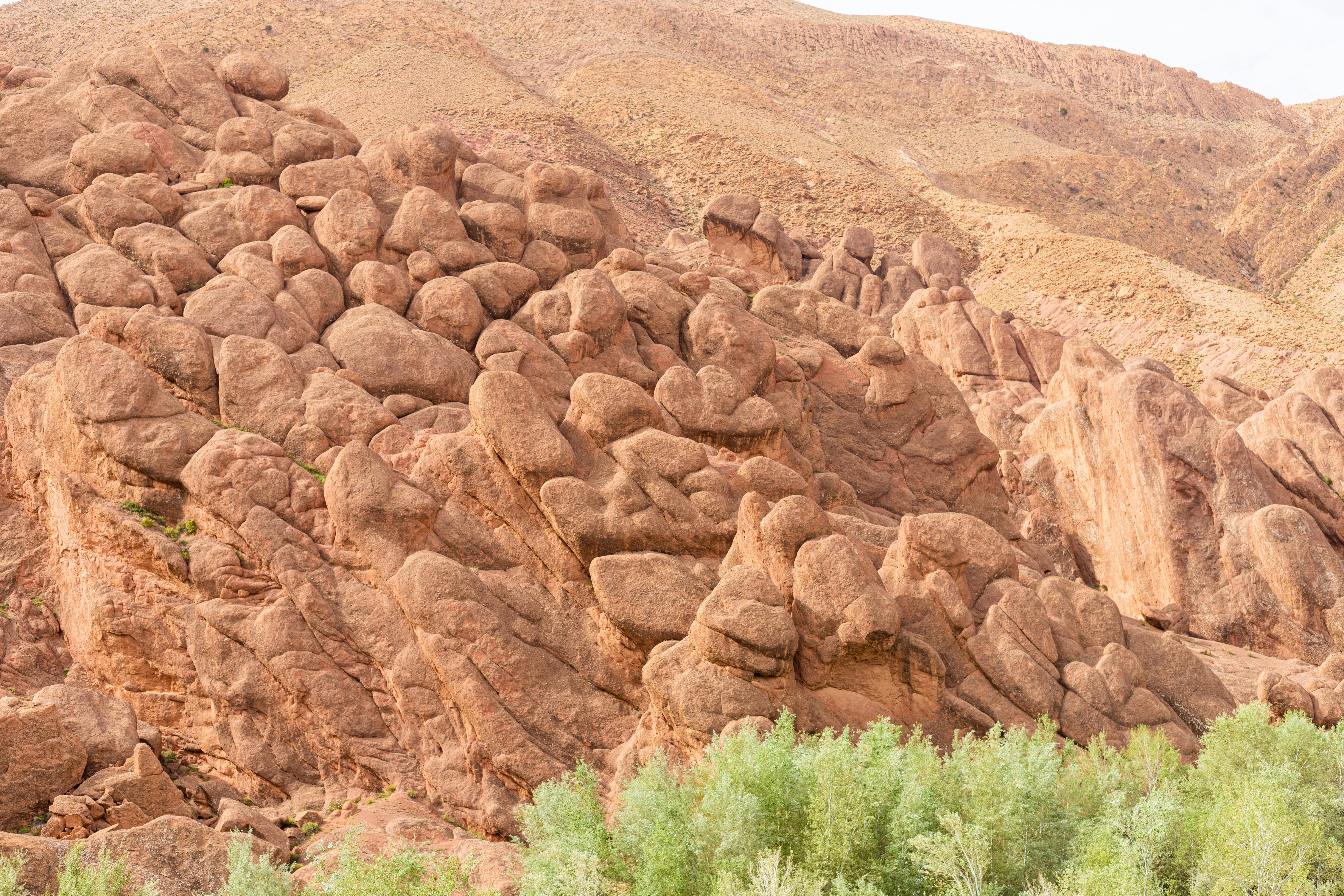
A balanced 4-day journey that gives each location its proper time. Our recommended minimum for this route.
View Route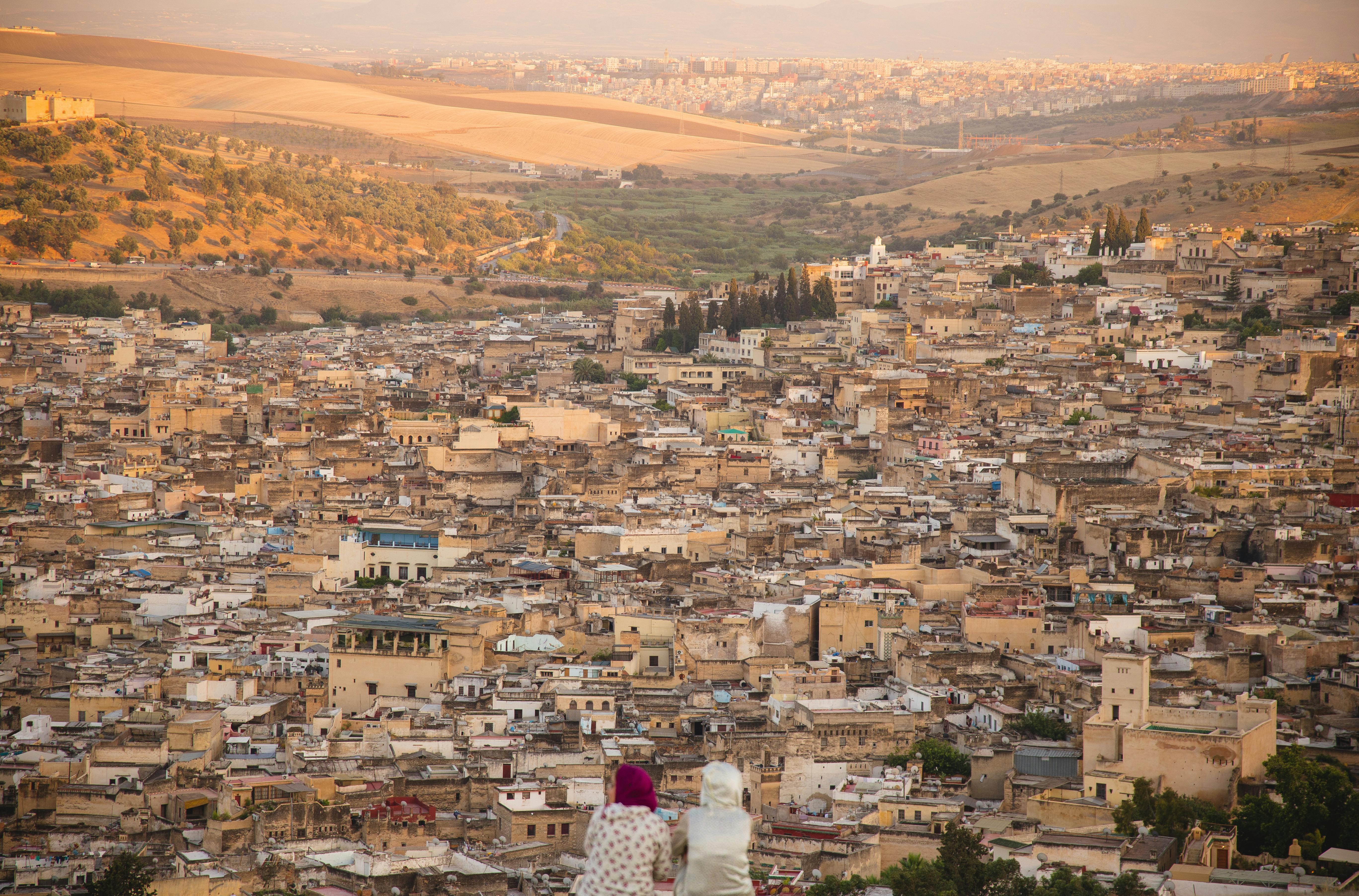
The complete south Morocco circuit. Fly in to Fes, out from Marrakech. One-way, no retracing.
View Route